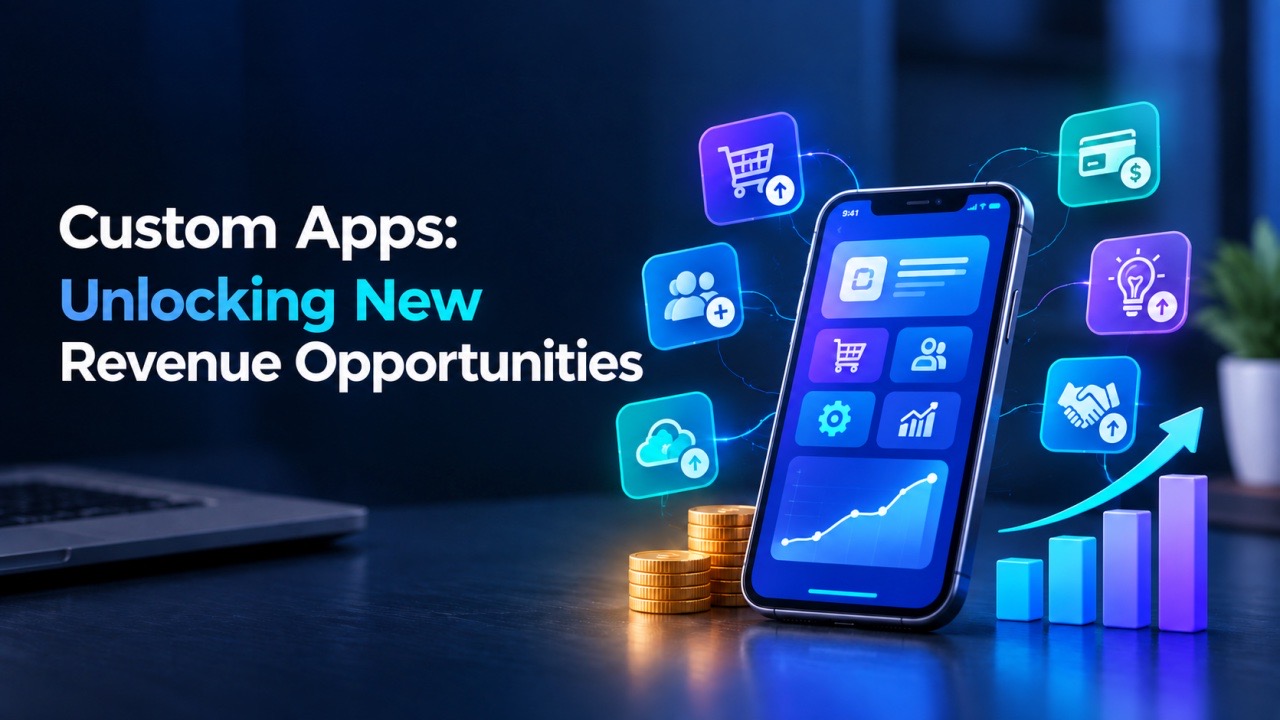


A mobile app does more than give customers another way to interact with a business. When it is designed around a specific business model, it can create new ways to generate revenue, reach new customer segments, and improve existing monetization channels.
For businesses working with a leading custom app development company, the opportunity goes beyond building an app with standard features. A custom solution can be designed around specific products, services, audiences, and revenue goals, making the app a potential business growth channel rather than simply a digital touchpoint.
Why Custom Apps Can Support Revenue Growth
Off-the-shelf solutions often come with predefined functionality and limited flexibility. A custom mobile application gives businesses more control over how customers discover products, make purchases, subscribe to services, and interact with the brand.
This flexibility can support different monetization strategies based on the business model. The app can also evolve as customer behavior and market opportunities change.
1. Create Direct Sales Channels
A custom app can provide businesses with a direct channel for selling products or services. Instead of depending entirely on third-party marketplaces, businesses can build their own digital storefront and manage the customer journey more closely.
Features such as personalized recommendations, in-app offers, simplified checkout, saved preferences, and order tracking can make purchasing more convenient. A smoother purchase journey can also create opportunities to increase repeat transactions.
2. Introduce Subscription-Based Revenue
Subscription models can turn one-time transactions into recurring revenue. Businesses can use custom apps to offer premium memberships, exclusive content, advanced features, or ongoing services through monthly or annual plans.
For example, a fitness application could offer premium workout programs, while a business software app could provide advanced analytics through a paid tier. The model should match the value users receive rather than adding a subscription simply because the technology supports it.
3. Build In-App Purchases
In-app purchases can create additional revenue by allowing users to pay for specific digital products, services, upgrades, or features.
This model works particularly well for businesses where customers need additional functionality after downloading the app. A custom application can create different purchasing options and integrate payment systems based on the product's requirements.
4. Develop a Marketplace Model
Businesses can use custom apps to connect buyers and sellers through a digital marketplace. The business can then generate revenue through transaction fees, commissions, seller subscriptions, listing charges, or premium visibility.
A marketplace application may include features such as vendor profiles, search, ratings, secure payments, order management, and real-time notifications. These features create the infrastructure needed to support transactions between multiple user groups.
5. Offer Premium Features
A custom app can use a freemium model where basic functionality remains accessible while advanced features are offered as paid upgrades.
For example, a productivity app might provide basic task management for free and offer advanced reporting, collaboration tools, or automation through a premium plan. This allows users to experience the core product before deciding whether additional functionality provides enough value to pay for.
6. Use Personalization to Increase Purchases
Personalization can influence how users discover products, services, and offers. A custom app can analyze relevant behavioral signals to present recommendations based on previous interactions, preferences, or purchase history.
An ecommerce application, for instance, could recommend complementary products after a purchase. A content platform could suggest premium content based on viewing behavior.
When implemented thoughtfully, AI-powered personalization can make product discovery more relevant without overwhelming users with unnecessary recommendations.
7. Create New Customer Segments
Custom applications can help businesses reach audiences that existing channels do not serve effectively. A company could create separate experiences for individual customers, enterprise clients, partners, or specialized user groups.
For example, a retail business could create a consumer shopping app while offering a separate ordering experience for business customers. Each application can be designed around the needs and purchasing behavior of its target audience.
8. Monetize Business Data Responsibly
Apps generate valuable insights about customer interactions, product demand, engagement patterns, and purchasing behavior. These insights can help businesses identify new opportunities and improve pricing, inventory, marketing, and product strategies.
Data should be collected and used responsibly, with appropriate privacy, security, and regulatory considerations. The goal is to turn legitimate business insights into better decisions rather than treating personal information as a product.
9. Improve Customer Retention
Revenue growth does not always come from acquiring more customers. Increasing repeat purchases and customer lifetime value can also strengthen a business model.
A custom app can support retention through loyalty programs, personalized offers, saved preferences, rewards, reminders, and convenient reordering. When returning customers can complete familiar actions quickly, the app can become part of their regular purchasing routine.
10. Create New Partnerships
A custom app can also become a platform for partnerships. Businesses can collaborate with complementary brands to offer bundled services, sponsored placements, loyalty benefits, or co-branded experiences.
For example, a travel application could partner with hotels, transportation providers, restaurants, or experience platforms. These partnerships can introduce additional revenue streams while expanding the value offered to users.
Choosing the Right Monetization Strategy
Not every revenue model works for every application. Businesses should first understand their audience, purchasing behavior, product value, and competitive environment.
A useful approach is to identify the core customer problem and then determine how the application can deliver measurable value around it. From there, businesses can evaluate options such as subscriptions, commissions, direct sales, premium features, advertising, or transaction fees.
The monetization strategy should also fit naturally into the user experience. Aggressive upselling, excessive advertisements, or unnecessary payment barriers can create friction and negatively affect engagement.
Build for Revenue, Not Just Features
A custom app should be planned around business outcomes from the beginning. Product teams need to connect features with measurable goals such as conversions, recurring purchases, subscription retention, customer lifetime value, or transaction volume.
Analytics can then help measure whether the chosen strategy is producing the intended results. As user behavior changes, businesses can refine pricing, offers, features, and monetization models based on real data.
Final Thoughts
Custom apps can create revenue opportunities by giving businesses greater control over customer journeys, payment experiences, personalization, subscriptions, marketplaces, and loyalty strategies. The strongest approach starts with a clear understanding of where customers see value and how the application can deliver it efficiently.
For businesses exploring expert mobile app development services in the USA, Biz4Intellia.com delivers tailored solutions that combine mobile innovation with AI IoT product development to create scalable digital experiences. With a clear monetization strategy, businesses can turn connected applications into long-term digital revenue channels while maximizing the value of their technology investment.
Ready to explore how AIoT can revolutionize your manufacturing? Request a Demo!